Testing & Quality Assurance
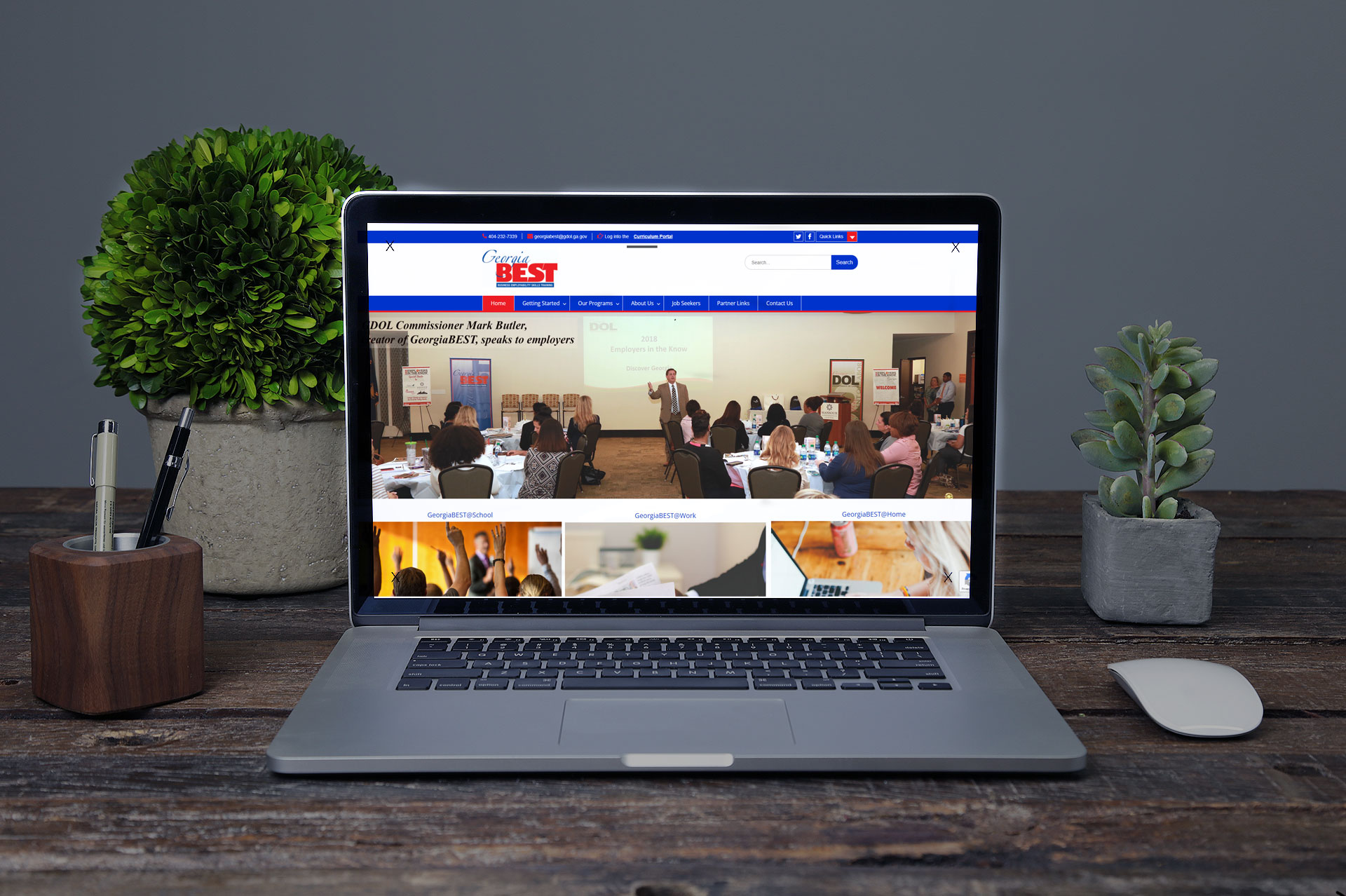
To ensure a seamless, stable, and accessible user experience across all platforms, I led a comprehensive testing and troubleshooting phase as part of the GeorgiaBEST website redesign. Our testing strategy was structured around real-world user behaviors and device diversity, with a focus on uncovering hidden usability issues and verifying functional consistency across environments.
We conducted exploratory usability testing with multiple participants, intentionally withholding guidance to simulate natural navigation and identify friction points. Testers were encouraged to "stress test" the site—interacting with features in unpredictable ways to expose potential breakage or usability failures.
Testing spanned across multiple device types (desktop, tablet, and mobile) and modern browsers (Chrome, Firefox, Safari, Edge) to validate cross-platform responsiveness and design consistency. Special attention was given to eCommerce components of the platform, including product visibility, cart functionality, and checkout flows to ensure flawless performance from product selection to payment processing.
Testing Objectives:
- Evaluate the site’s responsiveness and adaptive layout across various screen sizes and devices.
- Assess user experience continuity and visual consistency across browsers.
- Identify areas for improvement in visibility, content accessibility, and SEO performance.
- Test eCommerce functionality for reliability, usability, and transaction integrity.
- Uncover vulnerabilities and recommend security enhancements to mitigate data risks and strengthen user trust.
This iterative testing process allowed me to fine-tune the design, improve performance, and address usability concerns before launch—ultimately delivering a site that is visually cohesive, highly functional, and resilient across all user touchpoints.