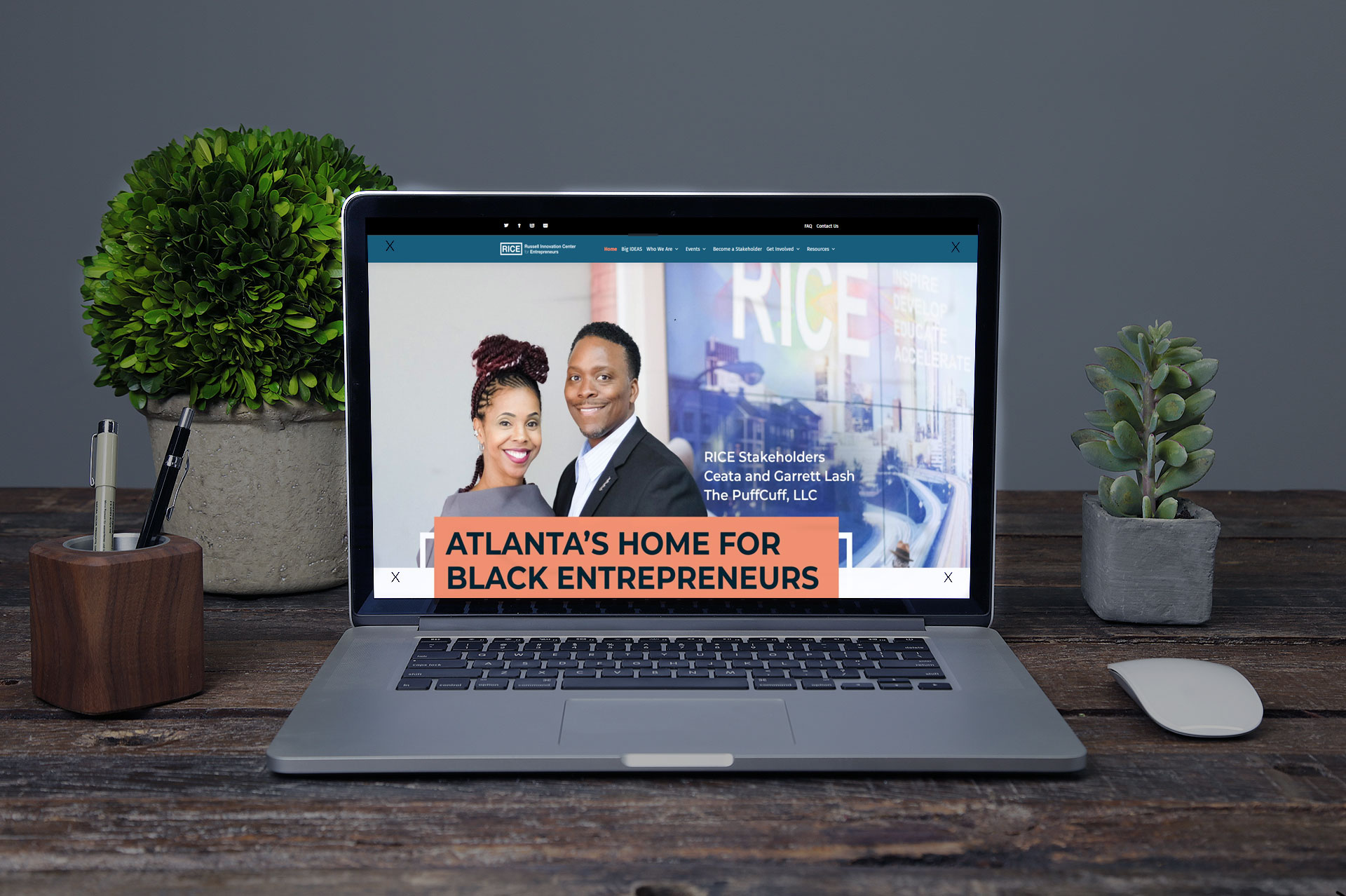
Russell Center website screenshot

Russell Center

Reimagining event booking with dynamic seat-map selection and 2-click checkout for a 60 % booking uplift.

View Live Site

My Role

  • Senior Web Developer
  • UI/UX Designer
  • Front‑End Developer
  • Viusal Designer
  • Product Designer

Challenge

Reimagine the Russell Center’s event-booking website—refresh the brand palette, introduce dynamic seat-map selection, and implement an integrated CRM/email workflow so guests, vendors, and corporate clients can tour facilities virtually, check real-time availability, and confirm bookings in under two clicks.

Key Metrics

  • Direct online bookings ↑ 60%
  • Bounce rate ↓25%
  • Booking completion in ≤ 2 clicks:92% of users
  • Average session duration ↑45%
  • Repeat-visitor rate ↑30%

Responsibilities & Resolutions

As the lead Designer and Developer on the Russell Innovation Center for Entrepreneurs (RICE) website project, I was responsible for planning, designing, and developing the organization’s new digital experience. The primary goal was to transition the website from an outdated legacy content management system to a modern, scalable platform using WordPress, while enhancing user engagement, accessibility, SEO, and brand presence.

I collaborated closely with internal stakeholders to define requirements, gather content, and identify the pain points of the previous platform. I led the creation of wireframes, high-fidelity mockups, and interactive prototypes to validate design solutions before development began. My role also included reviewing legacy analytics to better understand user behavior, top-performing content, and opportunities to streamline navigation.

The result was a fully rebranded and accessible digital experience that positions RICE as a modern, mission-driven innovation hub—improving public engagement, increasing search engine visibility, and better serving the entrepreneurial commun

Key Responsibilities:

  • Stakeholder Engagement: Acted as the primary point of contact for the client, conducting discovery sessions and aligning business goals with user needs.
  • Content Strategy & Audit: Gathered and restructured content from the legacy system, prioritizing clarity, relevance, and accessibility.
  • UX Research & Wireframing: Developed user flows, wireframes, and interactive prototypes to test navigation models and ensure ease of use.
  • SEO Enhancement: Conducted SEO audits, implemented metadata best practices, and optimized content structure to improve search visibility and ranking.
  • 508 Compliance: Ensured all design and development adhered to accessibility standards, meeting Section 508 and WCAG 2.1 AA guidelines.

Key Issues Addressed:

  • Non-existent SEO and poor search engine indexing
  • Inaccessible and outdated site architecture
  • Deep navigation and inefficient content discovery.
  • Inconsistent visual branding and outdated UI
  • Lack of modern functionality and responsive design
  • Limited support for showcasing products, services, and initiatives

Solutions Delivered:

  • A simplified, one-to-two-click navigation system to improve information accessibility.
  • SEO-optimized page structures, metadata, and content hierarchies.
  • ADA/508-compliant templates with enhanced keyboard and screen reader support.
  • A scalable WordPress CMS for easier updates and long-term sustainability.
  • A revitalized brand presence aligned with RICE’s mission and community impact.
  • A clean, user-centered layout for programs, services, and entrepreneur resources.

Team meeting sketching a new brand identity
Brand workshop & wireframe sketches
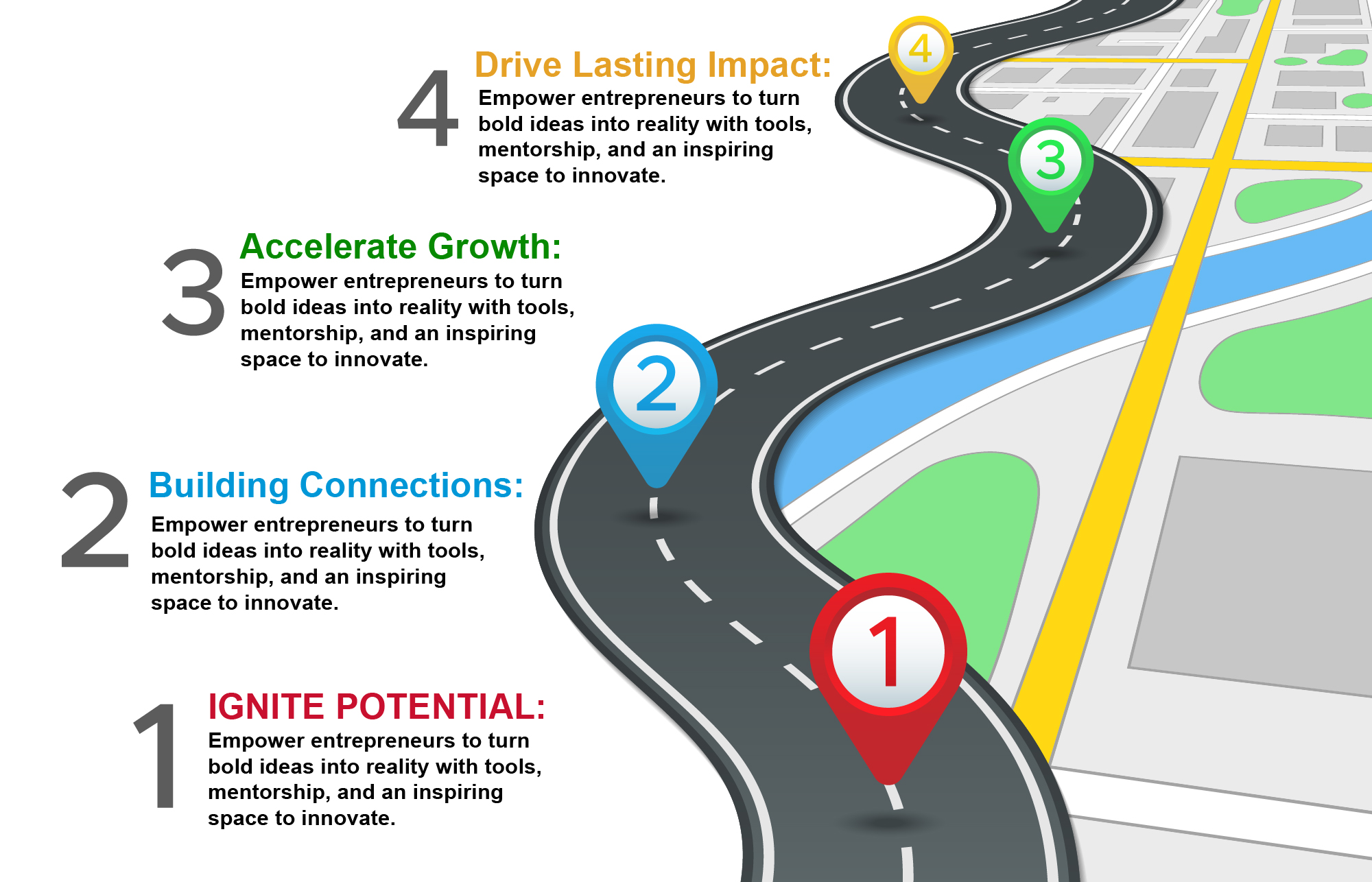
Russell Center Journey/Road Map

Research, Planning & Design

The Research, Planning, and Design phase of the Russell Innovation Center for Entrepreneurs (RICE) website redesign focused on laying a strong strategic foundation for a complete rebrand and digital transformation. As the project lead, I collaborated closely with stakeholders to identify core challenges with the legacy platform and define a user-first approach that aligned with the organization’s mission and growth objectives.

To ensure alignment, I conducted weekly planning sessions with executive stakeholders to gather requirements, review key metrics from the previous site, and discuss opportunities to modernize both content delivery and user experience. This process informed critical design and development decisions that shaped the overall structure and functionality of the new WordPress-powered platform.

Key Activities & Contributions:

  • Stakeholder Alignment: Facilitated consistent collaboration with internal leadership to ensure project goals, technical needs, and branding objectives were clearly defined and prioritized.
  • SEO Strategy: Conducted keyword analysis and on-page SEO audits to build an optimized metadata structure that would enhance the site’s search engine visibility.
  • Information Architecture Planning: Restructured the site hierarchy to support a streamlined, intuitive navigation experience—reducing content depth and improving user task completion time
  • Service & Program Presentation: Researched best practices for showcasing services and programs to design clean, user-friendly layouts that emphasized clarity and engagement.
  • Wireframes & Prototyping: Created wireframes and interactive design mockups to validate UI decisions and support iterative feedback cycles with stakeholders.
  • Visual Brand Alignment: Began developing a refreshed visual system including modern typography, accessible color palettes, and scalable UI components to reflect RICE’s innovative and community-centered identity.

This phase provided the foundation for a scalable, high-performing digital platform designed to support RICE’s long-term goals, increase discoverability, and empower entrepreneurs through an improved digital experience.

Navigation Through the Eyes of the User

During the UX evaluation of the legacy Russell Innovation Center for Entrepreneurs (RICE) website, I conducted extensive research, user testing, and behavioral analysis to identify key obstacles in the user journey. My findings revealed that users struggled to locate critical content quickly, and many were bypassing important resources—such as downloadable PDFs and program materials—due to poor visibility and a confusing navigation structure.

The previous menu system lacked clarity and failed to meet accessibility standards, making it difficult for users—especially those relying on assistive technologies—to effectively interact with the site. These issues not only hindered engagement but also limited the site’s overall usability and mission-driven reach.

Key Solutions Implemented:

  • Information Architecture Overhaul: Developed a detailed site flowchart to restructure content hierarchy and ensure the most valuable resources were easily discoverable within one to two clicks.
  • 508 Compliant Navigation: Designed and implemented a fully accessible navigation system, adhering to WCAG and Section 508 standards to support screen readers, keyboard navigation, and proper ARIA labeling.
  • Content Visibility Enhancements: Elevated the placement of high-priority links and downloadable documents across key pages to maximize visibility and encourage engagement.
  • Simplified User Flows: Reduced friction by ensuring that internal links opened within the same window, allowing the browser’s back functionality to operate predictably and improve user orientation.
  • Breadcrumb Integration: Introduced breadcrumb navigation across key sections of the site to help users understand their location and easily return to previous pages.
  • Responsive Design Optimization: Ensured all navigation components were fully functional and intuitive across desktop, tablet, and mobile devices.

These enhancements significantly improved the overall user experience—making the site easier to navigate, more inclusive, and better aligned with the center’s goal of empowering entrepreneurs through clear access to information and resources.

Graphic of site construction and user navigation
User flow & sitemap diagram
Illustration of roadblocks and solutions
Overcoming stakeholder and budget hurdles

Challenges & Hurdles

Redesigning and rebranding the Russell Innovation Center for Entrepreneurs (RICE) website was a high-impact project that also presented a range of internal and external challenges. Beyond the technical requirements and creative direction, the project was affected by organizational complexities, budget limitations, and fragmented communication between key stakeholders.

As the lead Designer and Developer, I was responsible not only for executing the digital experience but also for navigating conflicting priorities, aligning stakeholder expectations, and maintaining project momentum under pressure.

Key Challenges Encountered:

  • Budget Constraints:Financial limitations impacted the ability to leverage premium tools, platforms, and services. I adopted a resourceful approach, utilizing open-source solutions and scalable design systems to maximize functionality within scope.
  • Content Scarcity:Much of the existing content from the legacy site was outdated, incomplete, or misaligned with the new vision. I led the content discovery effort, working closely with various departments to fill gaps and ensure accuracy across the redesigned structure.
  • Communication Barriers: Cross-team collaboration was hindered by siloed communication and shifting priorities. To address this, I implemented structured communication protocols, including scheduled stakeholder syncs, shared documentation, and clear task ownership, helping the team stay aligned on milestones.
  • Organizational Resistance: Some teams expressed hesitancy toward the rebranding initiative, uncertain about the need for a digital overhaul. Through stakeholder education, iterative design reviews, and presenting data-driven UX recommendations, I helped build consensus and move the project forward.

Despite these challenges, the project was successfully completed and delivered on time. The final product reflects a modern, user-centered, and accessible website that effectively supports RICE’s mission of empowering Black entrepreneurs and amplifying community impact.

Testing & Quality Assurance

As part of the final development phase of the Russell Innovation Center for Entrepreneurs (RICE) website redesign, I led a comprehensive testing and quality assurance process to ensure that the platform delivered a seamless, accessible, and consistent experience across all devices and browsers.

We employed exploratory usability testing with multiple users who were encouraged to freely interact with the site—intentionally trying to “break” it—without specific guidance. This helped surface genuine usability concerns, edge-case scenarios, and unexpected interaction patterns. The testing process was conducted across a range of devices (desktop, tablet, mobile) and modern browsers (Chrome, Firefox, Safari, Edge) to validate cross-platform stability and responsiveness.

Testing Objectives:

  • Cross-Device Responsiveness: Evaluate how well the website adapted across screen sizes, ensuring layout integrity, functionality, and consistent branding on all devices.
  • Browser Compatibility: Identify and correct any rendering or performance issues across major browsers, maintaining a uniform experience for all users.
  • User Experience Optimization:Analyze behavior and feedback to fine-tune content placement, navigation flow, and interaction points—enhancing usability for first-time and returning visitors.
  • SEO & Indexing Readiness: Verify that metadata, alt text, heading hierarchy, and semantic structure were properly configured to support improved indexing and search visibility.
  • Security & Data Integrity: Conduct security reviews and basic penetration testing of form submissions and dynamic components to ensure proper handling of user data and protection against common vulnerabilities.
  • Accessibility Compliance:Validate compliance with Section 508 and WCAG 2.1 AA standards, including keyboard navigation, screen reader compatibility, and color contrast for users with visual impairments.

The testing phase provided valuable insights that allowed us to make performance enhancements, improve interface consistency, and ensure technical reliability prior to launch. As a result, the RICE website now delivers a stable, secure, and user-centered experience that reflects the organization’s innovative and inclusive mission.

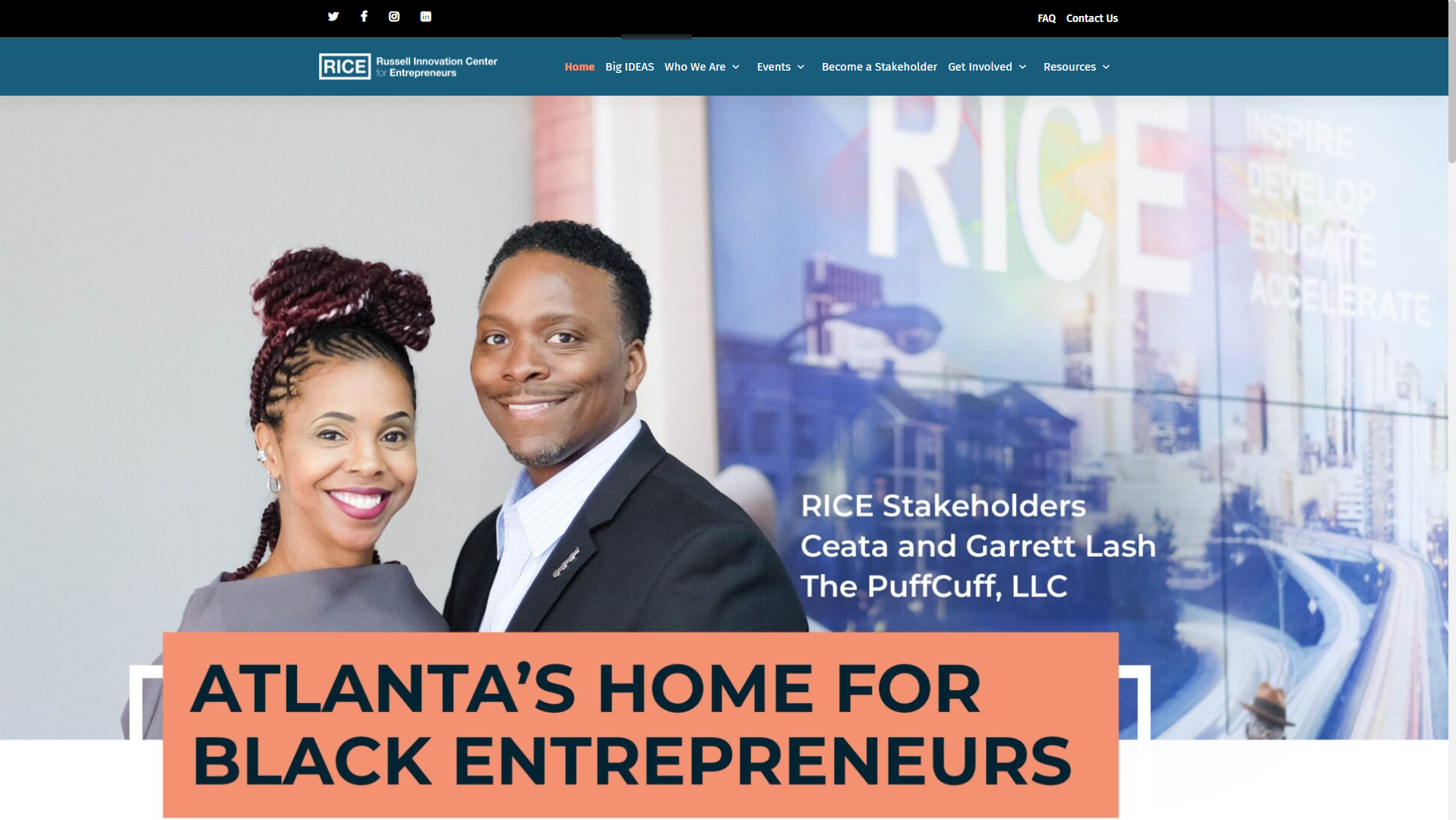
Multidevice QA & usability tests