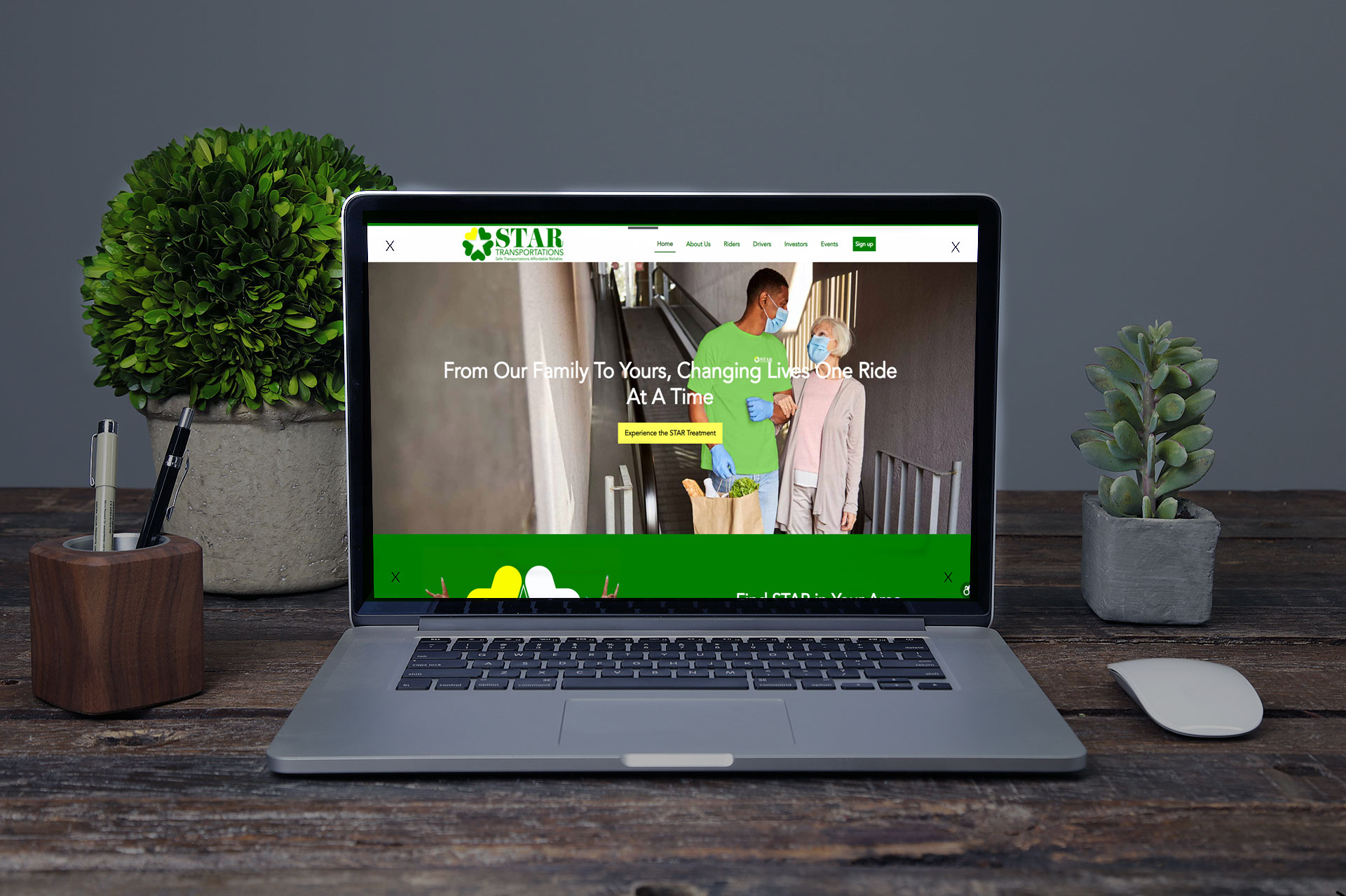
STAR Transportation website

STAR Transportation

Real-time freight tracking and intelligent route optimization for 30 % faster deliveries.

View Live Site

My Role

  • Senior Web Developer
  • UI/UX Designer
  • WordPress Expert
  • Product Designer

Challenge

Spearhead a complete overhaul of Star Transportation’s freight-tracking platform—redesigning the UI for real-time shipment visibility, migrating legacy data into a modern React/Node.js stack, and streamlining driver & dispatcher workflows to reduce route-planning time by 30%.

Key Metrics

  • Route-planning time ↓30%
  • On-time delivery rate ↑25%
  • Mobile app adoption (drivers) ↑ +40%
  • Fuel-efficiency gains ↑ 12%
  • Customer support tickets ↓ 20%

Responsibilities & Resolutions

As the lead Designer and Developer for the Star Transportation website, I spearheaded the complete redesign and rebuild of their digital presence, transforming an outdated legacy site into a modern, responsive platform on WordPress. Utilizing HTML, CSS, and PHP, I engineered a fully custom solution tailored to the client’s evolving needs, with a sharp focus on user experience and engagement.

My role encompassed end-to-end project ownership—from initial discovery and stakeholder collaboration to final deployment. I conducted an in-depth analysis of the legacy site’s performance metrics to identify user behavior patterns and high-traffic pages, ensuring that critical content was prioritized in the new design. I was responsible for developing wireframes, interactive prototypes, and high-fidelity mockups, aligning each iteration closely with client feedback to refine the UX.

In addition to the creative and technical build, I led content strategy sessions, curated and optimized site assets, and implemented scalable design systems to maintain consistency. I also managed project timelines and budgets meticulously, ensuring that all milestones were met without compromising quality or scope.

The result is a streamlined, intuitive website that not only elevates Star Transportation’s brand but also drives measurable improvements in traffic and user engagement.

Issues at hand to be resolved:

  • Strengthen and develop non-existent SEO terms and description.
  • Ensure updated website is meeting 508 compliance standards and practices.
  • Develop a one or two click navigation method for users to avid multiple clicks.
  • Research best practices for products to be sold.
  • Design product layout.
  • Ehance ratings for all search engines.
  • Enhance user navigation and website flow.
  • Improve Graphic Design element of company website
  • Improve the Branding of the company

Team meeting sketching a new brand identity
Brand workshop & wireframe sketches
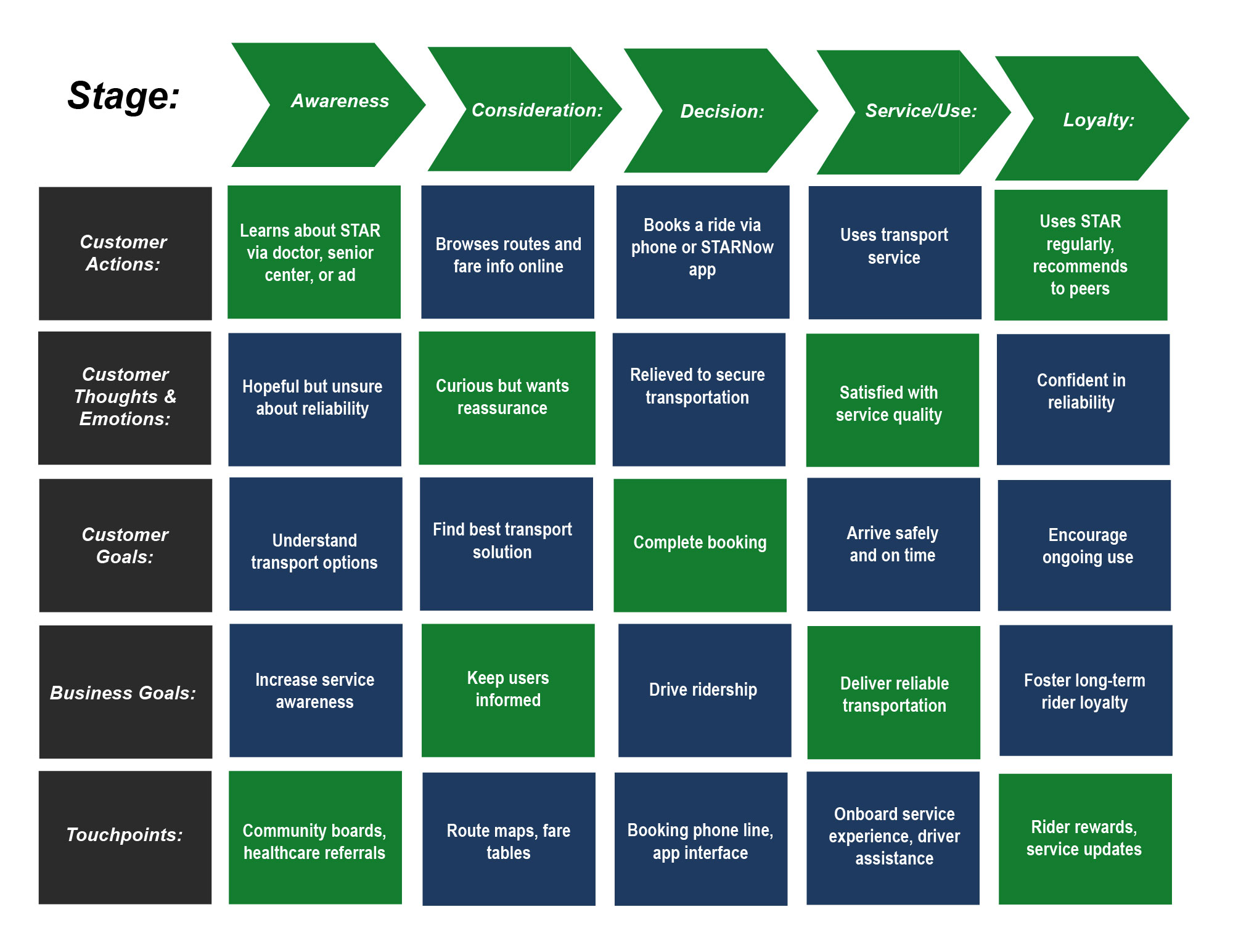
STAR Transportation Journey Map

Research, Planning & Design

In the foundational Research, Planning, and Design phase of the full website rebrand, my primary focus was on aligning business objectives with user-centered design principles to deliver a seamless and impactful digital experience. I maintained close, continuous collaboration with stakeholders through structured weekly meetings, where we identified key pain points of the legacy website and defined a clear vision for the redesign.

My process included conducting in-depth research into SEO best practices, keyword strategies, and metadata optimization to enhance search engine visibility. I leveraged analytics platforms such as Google Analytics and Hotjar to track user behavior, uncover navigation patterns, and identify usability bottlenecks. Insights gained from these tools were pivotal in informing UX enhancements and prioritizing high-impact updates.

User testing played a critical role throughout the design process. I developed interactive prototypes and conducted usability tests to validate design assumptions, ensuring the new site architecture was intuitive and aligned with user needs. Additionally, I analyzed industry best practices for product display and optimized layouts to streamline the customer journey.

Key responsibilities in this phase included designing data-driven product layouts, enhancing site navigation and flow, and implementing targeted strategies to boost SEO performance. Every design decision was rigorously tested and iterated based on real user feedback, ensuring a final product that delivered measurable improvements in engagement and usability.

Navigation Through the Eyes of the User

Extensive research, usability testing, and behavioral analysis revealed critical gaps in how users interacted with the company website. I uncovered that visitors were struggling to locate key content efficiently and were often overlooking essential resources, such as downloadable PDFs, which were integral to their experience. The existing navigation structure was not only unintuitive but also lacked accessibility considerations, creating significant barriers for users, particularly those with disabilities.

Armed with these insights, I implemented a strategic redesign focused on clarity, accessibility, and usability. I developed a comprehensive site flowchart to map an intuitive user journey and restructured the main navigation to be streamlined, user-friendly, and fully 508 compliant. High-priority links and critical documentation were repositioned for maximum visibility, ensuring users could easily find and engage with essential resources.

Key improvements included introducing clear breadcrumb trails for seamless backtracking, optimizing content discoverability, and enhancing overall site flow. I also implemented same-window navigation techniques to improve continuity and make traditional navigation tools, like the browser’s back button, more functional.

These solutions collectively transformed the user experience, making navigation faster, more intuitive, and accessible—ultimately driving better engagement and site performance.

Graphic of site construction and user navigation
User flow & sitemap diagram
Illustration of roadblocks and solutions
Overcoming stakeholder and budget hurdles

Challenges & Hurdles

Throughout the design, development, and rebranding of this website, the project faced significant organizational and logistical obstacles that impacted timelines and deliverables. Internal politics and conflicting priorities among key stakeholders created friction, with some parties resistant to moving the project forward. These dynamics, coupled with stringent budget constraints, limited access to essential tools and resources, presenting additional challenges to delivering a fully realized rebrand.

Key hurdles included limited funding, delays in receiving critical content, and ongoing communication breakdowns between teams. Navigating these complexities required a proactive, solution-oriented approach. I facilitated consistent stakeholder alignment through structured meetings, adapted processes to work within budgetary limits, and implemented creative workarounds to address resource gaps.

Despite these challenges, the project was successfully brought to completion through persistent problem-solving, collaborative negotiation, and a strong commitment to maintaining UX and design quality.

Testing & Quality Assurance

To ensure the website delivered a seamless, high-performing user experience, we conducted extensive usability and stress testing across multiple devices, operating systems, and browsers. A diverse group of users was engaged to navigate the site freely, with no predefined instructions—encouraging authentic exploration and intentional attempts to break functionality. This approach provided valuable insight into real-world interactions and potential failure points.

Testing encompassed both the general site experience and e-commerce components, including product display, cart functionality, and payment processing. Our primary objective was to validate consistent performance, responsiveness, and design integrity across desktop, tablet, and mobile platforms, while confirming uniform behavior across major browsers.

Key testing goals included evaluating overall responsiveness, identifying opportunities to enhance UX effectiveness and site visibility, and gathering actionable insights to optimize search engine indexing. Additionally, the process included a thorough review of security protocols to identify vulnerabilities and recommend data protection measures to safeguard user information.

This rigorous, user-focused testing process ensured the final product met high standards of accessibility, reliability, and performance—delivering a polished experience to both users and stakeholders.

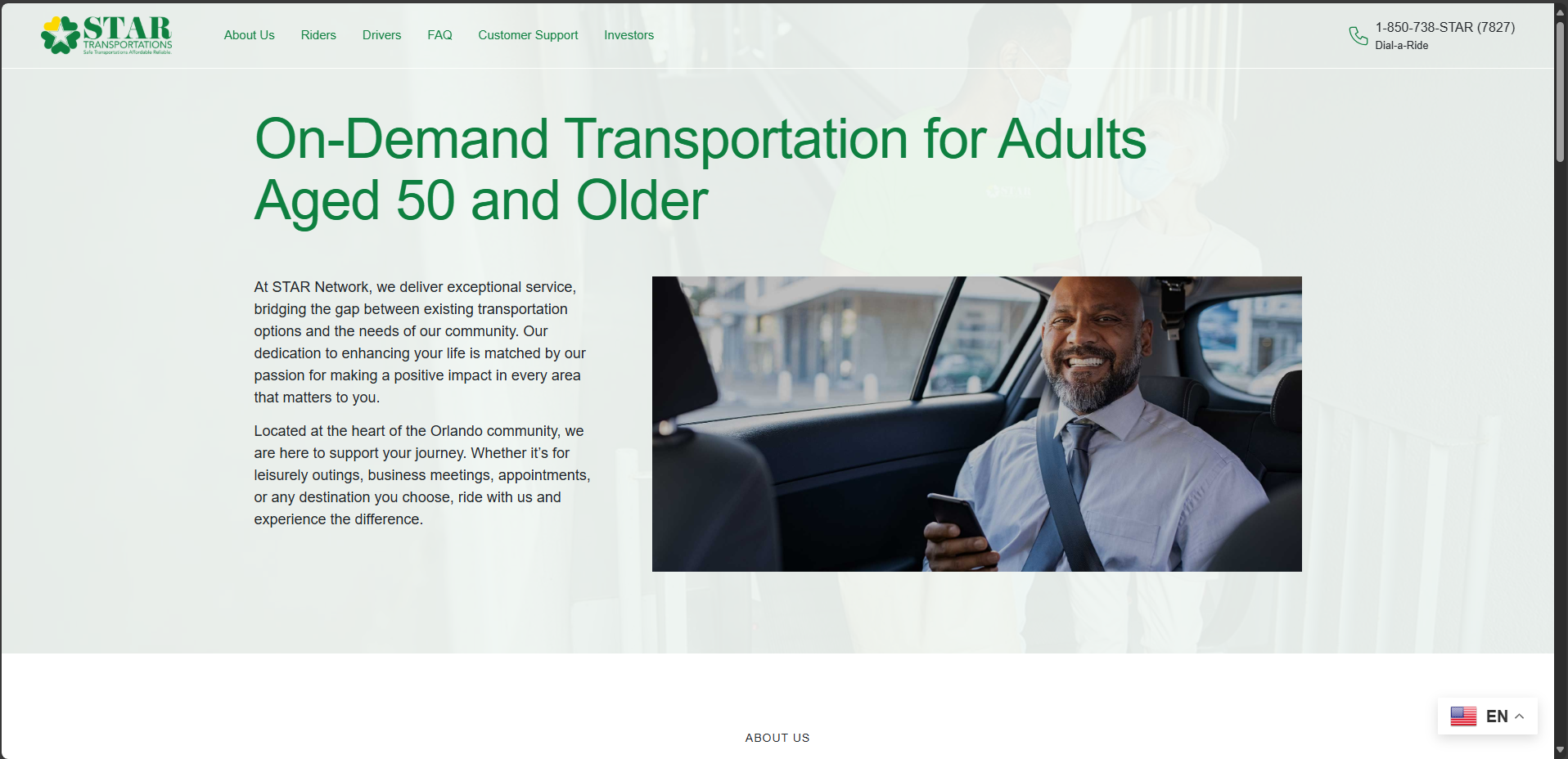
Multidevice QA & usability tests